



- What We Do
- Climate Adaptation
Our Work for Climate Adaptation
Climate forecasts tell us that as the earth warms it will intensify both floods and droughts, which impact our community and the river’s health.
Planning for the Future
Adapting to Climate Change
As average temperatures increase, this allows the atmosphere to hold more water vapor, which increases the amount of rain we get from each rain event.
The flip side is when high pressure weather patterns steer storms away from northern California. This leads to droughts. When it’s dry and temperatures are higher, the air will pull more moisture out of plants and soil, making droughts more devastating in the future. This combined with higher wind events increases fire severity as vegetation is more prone to burn, and the wind rapidly spreads fires that do start.
Our work on Climate Adaptation is focused on preparing our community and river for more extreme flood, drought, and fire events.
Our Approach
Ongoing Climate Adaptation Projects
Restoring Balance to a Vital Watershed
Our organization was founded in 1993 to end gravel mining in the Russian River and its floodplains. After almost twenty years we succeeded in convincing our local leaders to end mining and stop the damage. The legacy of mining and accompanying development along the river has disconnected the river from its floodplain by increasing the river channel by 25-30 feet and developing most of the former floodplain wetlands. These wetlands used to serve as nurseries for juvenile salmon. Since 1940, we’ve lost over 80% of the area the river used to occupy, making our community more vulnerable to flooding and droughts. Through shrinking the river area, there is far less space to accommodate floods and recharge our groundwater tables. The loss of floodplain connectivity has severely reduced the river’s ecological health and salmon populations.
We can reverse this damage by restoring floodplains and seasonal wetlands that will help our community adapt to larger flood events and improve groundwater recharge in droughts. Restoring floodplain wetlands will also rebuild salmon populations by dramatically increasing the food supply. Today, one of its top priorities is the restoration of the Hanson Site—a 357-acre property west of Windsor containing four deep gravel pits that today depress the river’s health.
Why Arundo is a Major Threat
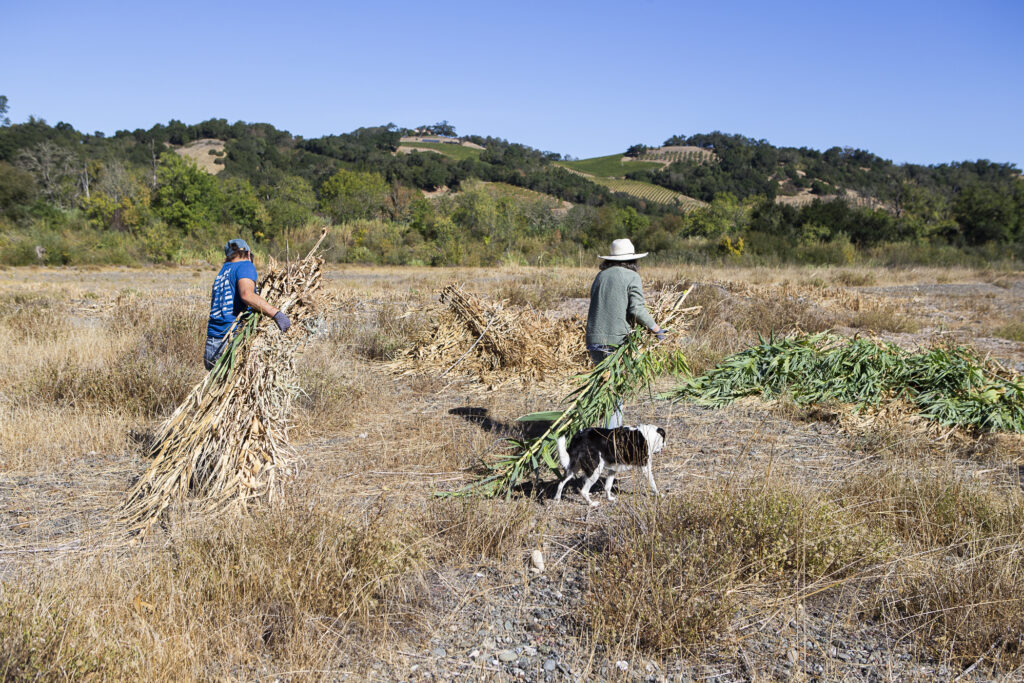
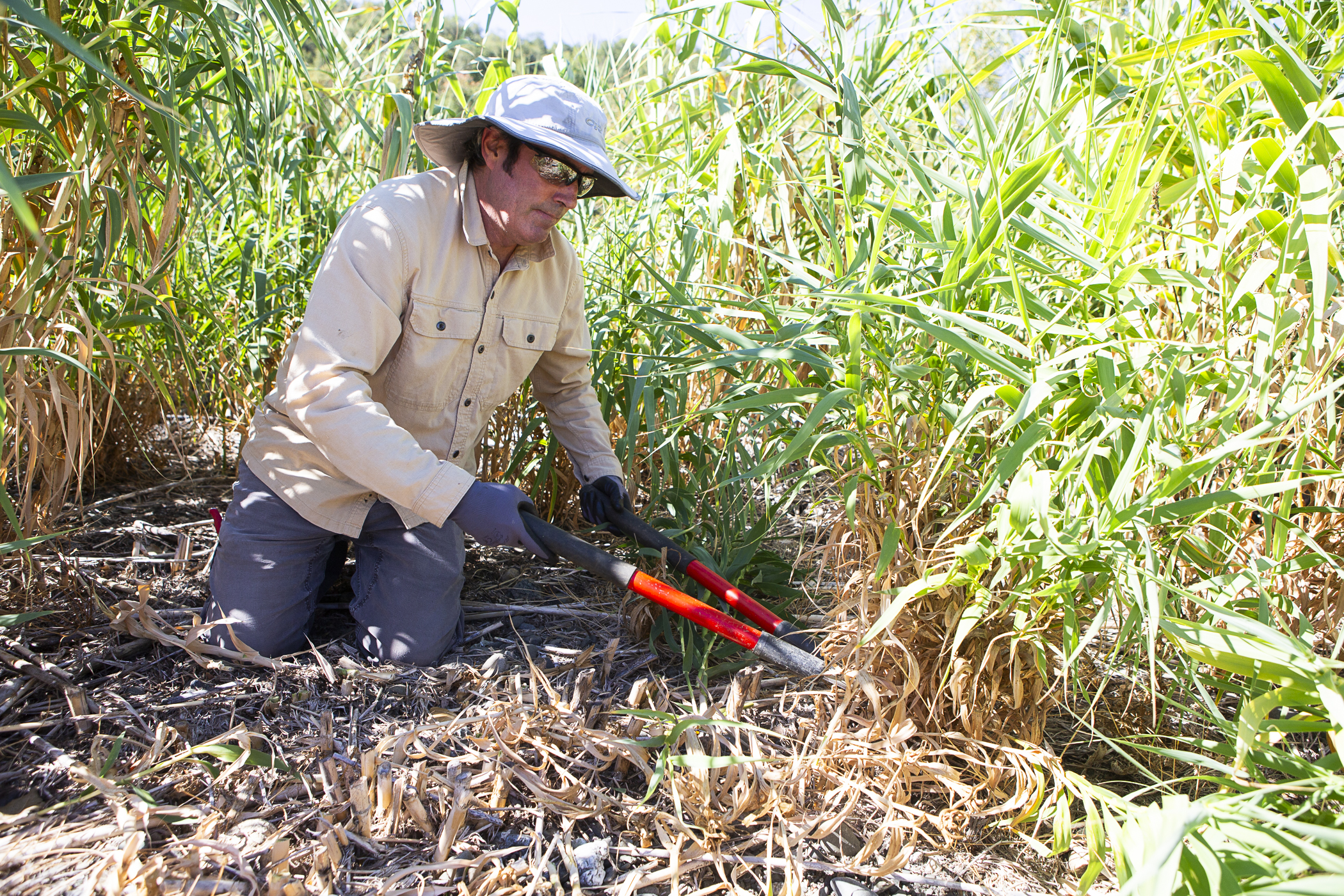
Arundo, or more commonly known as Giant Reed, is a thirsty invasive plant that is extremely flammable and increase the fuel load for wildfire. River corridors should be fire breaks but Arundo amplifies fires and helps convey embers that spread fires. Giant Reed takes more water from our river and ecosystem than any other plant on the river. Local research has shown it consumes up to 9 million gallons of water per acre leading to significant depletion of the river flow. Giant reed is also suspected of altering hydrological regimes and reducing groundwater availability by transpiring large amounts of water from aquifers.
In addition to being a water hog, Giant Reed displaces native plants and associated wildlife species because of the massive stands it forms. It reduces habitat and food supply, particularly for insect populations. It provides little to no shading to the in-stream habitat, leading to increased water temperatures and reduced habitat quality for aquatic wildlife. Lastly, it outcompetes native plants when recovering from wildfire.
Removing Arundo will help reduce fire risk, keep more water in our river, improve fish and wildlife habitat and improve sediment transport to reduce bank erosion. This will help prepare our community and our ecosystems to thrive as our climate warms.
Protecting Flows and Equitably Sharing the River
Recent droughts have shown us that we’re often a year or two away from a devasting drought and we expect droughts to be more intense with time. Despite record-setting rains in 2019, Lake Mendocino was almost completely drained within two years due to a lack of proactive water management. Instead, water use was allowed to continue as usual up until
the last minute even in the face of extreme drought and clear shortage projections, putting instream flows and carryover storage needs at extreme risk. Clearly our existing water management processes and available storage are not enough to protect us from future droughts. We are committed to tackling these challenges to ensure we have a healthy watershed and resilient community for future generations to enjoy.
As Steinbeck wrote, “And it never failed that during the dry years the people forgot about the rich years, and during the wet years they lost all memory of the dry years. It was always that way.” It’s time that we break this cycle.
Our Advocacy programs Protect Flows and Equitably Share the River will help us adapt to climate change with these goals:
- Improve water use accounting and demand management to improve efficiency
- Proactively respond to dry winters with demand reduction to avoid unnecessary reservoir depletion
- Accelerate groundwater recharge projects and other storage opportunities to extend wet season reserves
- Ensure Russian River Biological Opinion sets science-based flow objectives and preserves cold water pool at Lake Mendocino
- Protect waterways from unregulated groundwater pumping that depletes streamflow, harming natural resources and residential well users
How You Can Help
Ways to Give
Single Donations
Every gift makes a meaningful impact for the river and the communities that depend on it.
Donate TodayMonthly Giving
Your ongoing commitment provides us with the reliable funding we need to plan ahead.
Learn MorePlanned Giving
By including Russian Riverkeeper in your estate plans, you can help safeguard the Russian River and its watershed for future generations.
Learn More