

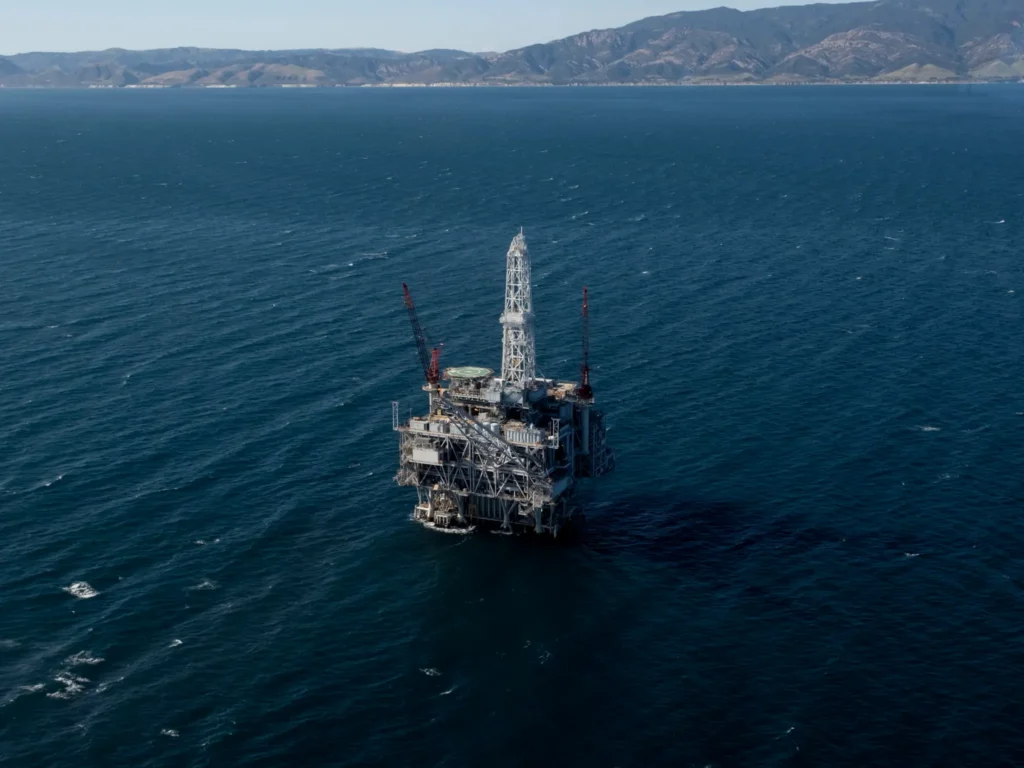

The Sonoma Coast is one of our most treasured landscapes—supporting vibrant marine ecosystems, coastal economies, and communities deeply connected to the ocean. Yet proposals to expand offshore oil and gas drilling along California’s Outer Continental Shelf pose significant risks to coastal environments, the communities that depend on them, and the watersheds they connect to.
Given these risks, and based on decades of experience protecting the Russian River watershed, we submitted formal comments opposing any new offshore oil and gas leasing in our region and across California.
Shared Risks Across Ecosystems and Communities
Oil drilling and spills bring a common set of risks across marine and coastal environments, with consequences that extend into interconnected ecosystems:
- Water quality degradation: Oil and associated pollutants can contaminate ocean waters, nearshore habitats, and estuaries, affecting aquatic ecosystems and local water supplies.
- Harm to wildlife: Marine species—including fish, seabirds, and marine mammals—are highly vulnerable to oil exposure and its effects. These impacts can also affect species that rely on estuaries and rivers, including threatened Chinook salmon and steelhead.
- Economic disruption: Coastal economies depend on clean water and healthy ecosystems. Spills can lead to fishery closures, beach shutdowns, and declines in tourism, with ripple effects throughout the region.
- Long-term environmental damage: Oil can persist in sediments and ecosystems for years, creating lasting impacts that are difficult and costly to remediate.
Coastal Impacts and Watershed Connections
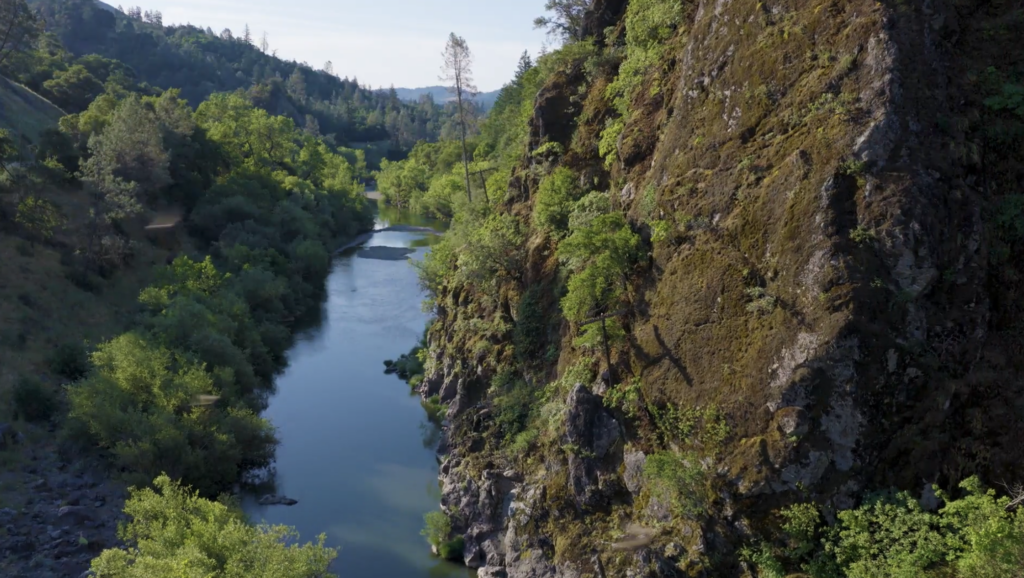
The Russian River flows west to the Pacific Ocean, forming an estuary at Jenner where freshwater and marine ecosystems meet. This transition zone, extending seven miles upstream, provides essential habitat for species at critical stages of their life cycles—juvenile salmon and steelhead rear and acclimate here before entering the ocean, while adults return from the Pacific through the estuary to spawn upstream. Harbor seals haul out and forage in these waters, and migratory birds depend on the estuary as a seasonal feeding and resting ground along the Pacific Flyway. In this way, the estuary serves as a vital bridge between inland and ocean environments, supporting species that rely on both to survive.
Because of this connection, impacts from offshore drilling do not remain offshore. Ocean currents can carry oil and contaminants into nearshore waters and estuaries, where they can settle into sediments, move through the food web, and persist over time. This creates risks at multiple points in species’ life cycles—from juvenile fish developing in estuarine habitat to adults returning to spawn—while also affecting the broader web of wildlife that depends on these interconnected systems. In this way, coastal pollution can extend into connected habitats, including river systems like the Russian River.
Climate and Long-Term Costs
Beyond these direct risks, expanding offshore drilling also directly undermines California’s efforts to address climate change. Continued investment in fossil fuel development accelerates warming temperatures, sea level rise, and more extreme droughts and wildfires—conditions already placing increased strain on both coastal and inland ecosystems. In watersheds like the Russian River, these climate pressures contribute to reduced instream flows, warmer water temperatures, and altered hydrology—factors that are already limiting habitat availability and inhibiting the recovery of salmon and steelhead populations.
These environmental impacts are further compounded by significant economic risks that are often underestimated. Oil spills and routine operations can trigger costly cleanups, disrupt fisheries, and deter tourism, with damages that can far exceed any short-term economic benefits of drilling. At the same time, harm to the marine and estuarine food web—affecting plankton, forage fish, and other foundational species—can ripple through the ecosystem, further reducing fish populations and degrading habitat over time. These indirect impacts can quietly erode commercial and recreational fisheries, local seafood markets, and the broader coastal economy, creating long-term losses that are difficult to quantify but deeply felt by communities that depend on healthy, functioning ecosystems.
Looking Ahead
Protecting coastal waters is essential to the health of the broader ecosystems they support, including interconnected systems like the Russian River. Decisions about offshore drilling have far-reaching implications—not only for ocean habitats, but also for the watersheds, wildlife, and communities that depend on a clean and functioning coastal environment.
Community engagement plays an important role in shaping these outcomes. Staying informed, participating in public processes, and supporting efforts to protect our coast and watershed help ensure these interconnected ecosystems—from ocean waters to rivers like the Russian River—remain healthy for generations to come.
Featured Image: Andy Johnstone for CA Post