


Services Along the Russian River
- River Activities
Services Along the Russian River
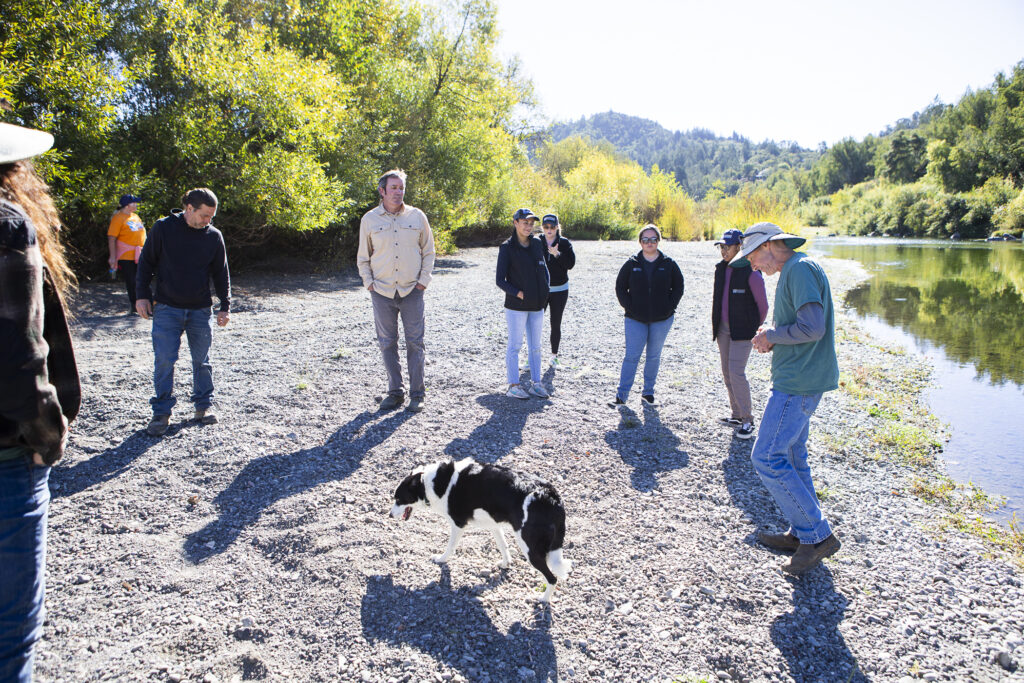
Several shuttle and river guide services can enhance your experience by providing convenient transportation between launch points and take-out locations. […]
- River Activities
Swimming in the Russian River
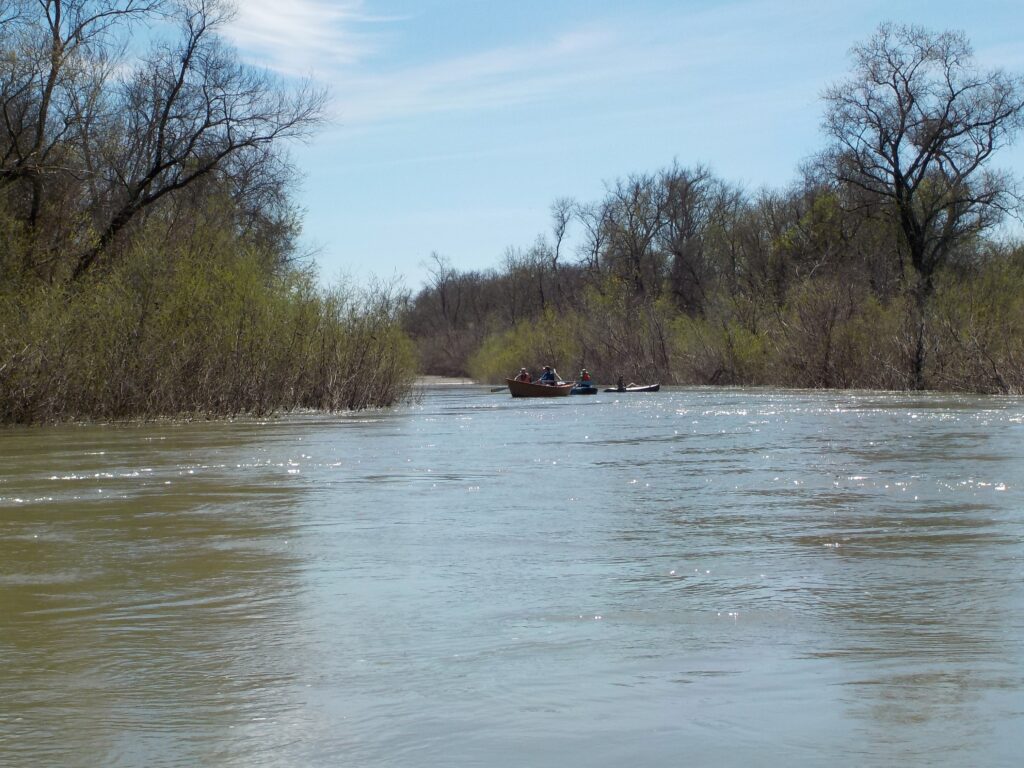
Swimming in the Russian River offers a refreshing escape into the heart of Sonoma County’s natural beauty. With its calm, […]
- River Activities
Kayaking on the Russian River
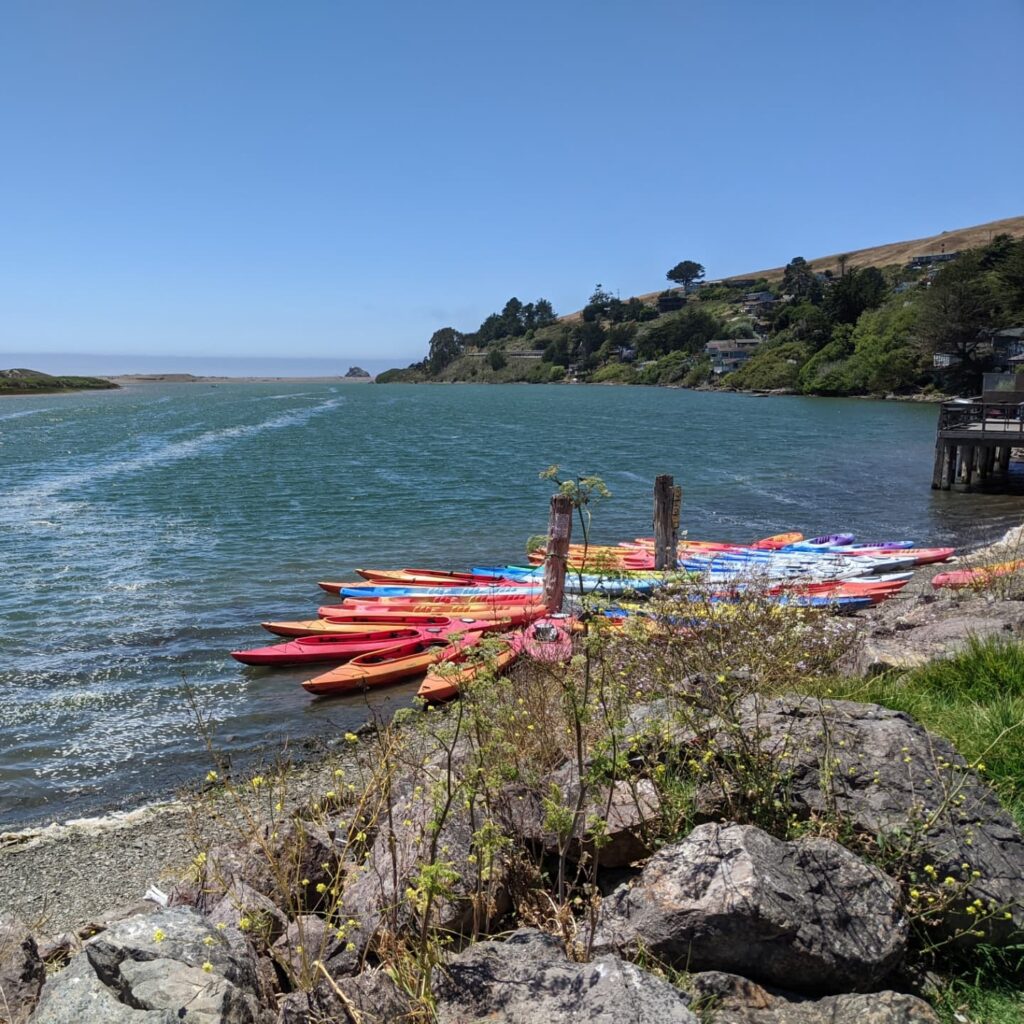
Kayaking on the Russian River is one of the most enjoyable ways to experience Northern California’s natural beauty. Meandering through […]

- River Activities
Fishing at the Russian River
Fishing at the Russian River in Northern California offers a unique blend of scenic beauty and rich angling opportunities. Stretching […]
- River Activities
Water Quality
The question Russian Riverkeeper is asked most is: “Is it safe to swim in the river?” The simple answer is […]
What’s that foam in the water?
Frequently Asked Questions
As with most liquids, water molecules are normally attracted to each other. This attraction creates tension at the surface of the water, often referred to as a thin “skin,” which allows some insects to glide across it. When leaves, twigs or other organic substances fall into water and begin decaying, they release compounds known as surfactants. This interaction breaks the surface tension, which in turn allows air to more easily mix with water and creates bubbles. These bubbles congregate as natural foam.
However, not all foam is natural. Certain man-made products, including detergents, can cause foam that is similar in appearance, but may be harmful to fish and other aquatic life.
- On a windy day, because foam occurs when air mixes with water to form bubbles.
- During the fall when trees drop their leaves and aquatic plants begin to die back and decompose.
- You may also see foam throughout the spring as plants lose their buds.
- When the outdoor temperature rises, because heat accelerates plant decay, which releases the organic substances that contribute to foam.
- During soil erosion events or from human activities, such as gravel washing.
Foam is usually harmless. In fact, only 1 percent of the foam you see on a water body is the actual foaming agent; the rest is air and water. However, excess foam is sometimes the result of too much phosphorus in the water.
Although phosphorus in an important plant nutrient, it is not found abundantly in nature and too much of it is indicative of pollution from human activities. Excessive phosphorous can result in nuisance algae blooms, fish kills due to low dissolved oxygen from decomposition processes, and irregularities with the water’s taste and odor.
Although it’s difficult to know for sure, foam from various sources can have different characteristics.
Natural foam usually:
- appears as light tan or brown in color, but may be white
- smells earthy, fishy or has fresh cut grass odor
- can occur over large areas and accumulate in large amounts, especially on windward shores, in coves and eddies
- dissipates fairly quickly, except when agitated (as in high wind conditions)
Unnatural foam from human activity usually:
- appears white in color
- gives off a fragrant, perfumed or soapy odor
- usually occurs over small area, localized near source of discharge
If you suspect foam to be from unnatural causes, call the North Coast Regional Water Quality Control Board at 707-576-2220. If you see dead or injured wildlife or fish you think resulted from a spill call California Department of Fish and Wildlife at 888-334-2258.
